
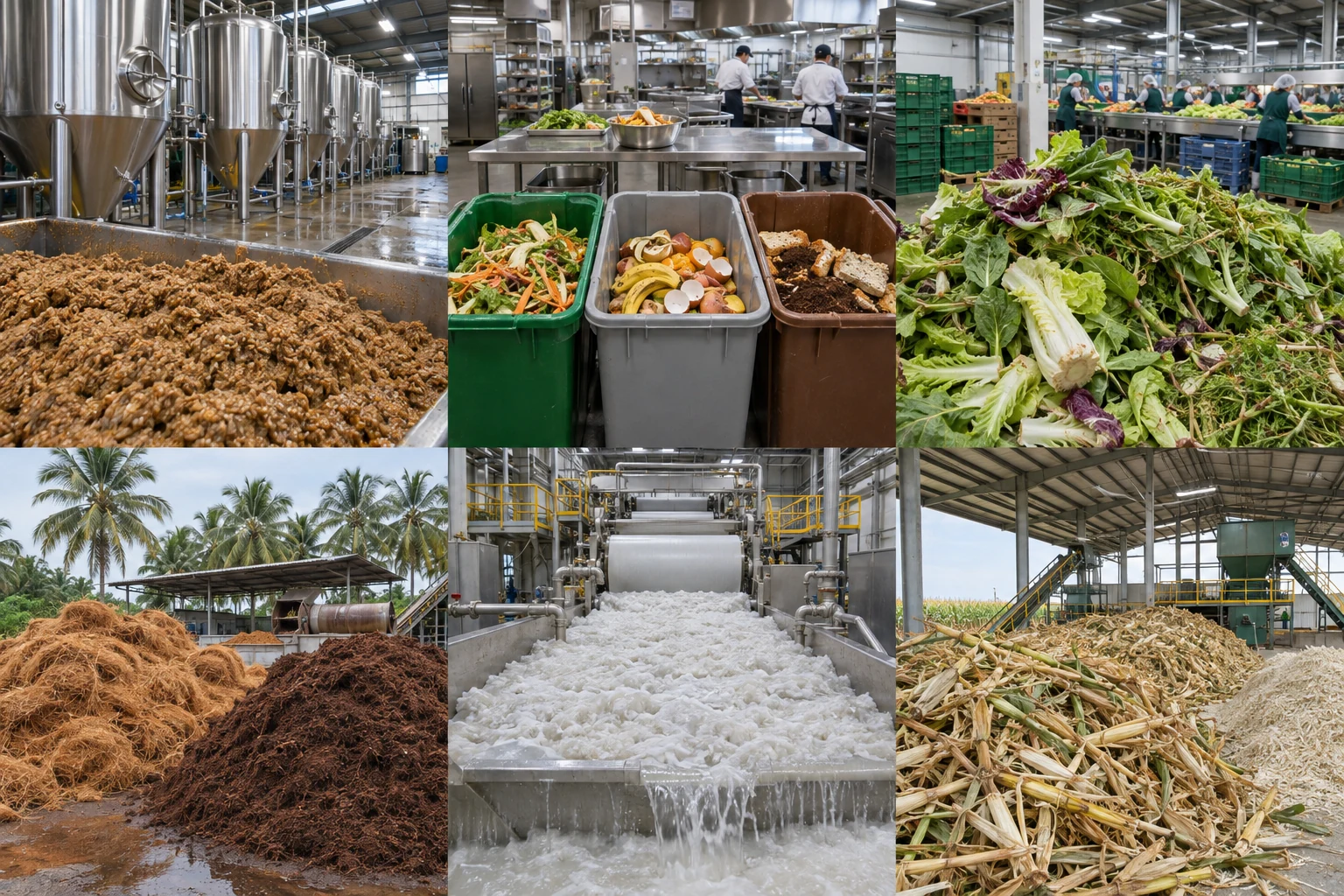
Kitchen Waste Dewatering
Find a screw pressFind your starting point in 3 questions
From feed to separated streams
- Collect food residues
Record batch size and the composition of the waste.
- Sort and prepare the feed
Remove packaging and hard contaminants before a material trial.
- Press and collect outputs
Plan separate handling for the solids and the liquid.
Why separate solids and liquid?
Pressing can make suitable wet food residues easier to handle before storage or collection. Confirm contamination, feed variability and what the downstream facility accepts.
Explore the HTYZ Series
Compare the available screw presses. Confirm model suitability with your actual feed and target discharge condition.
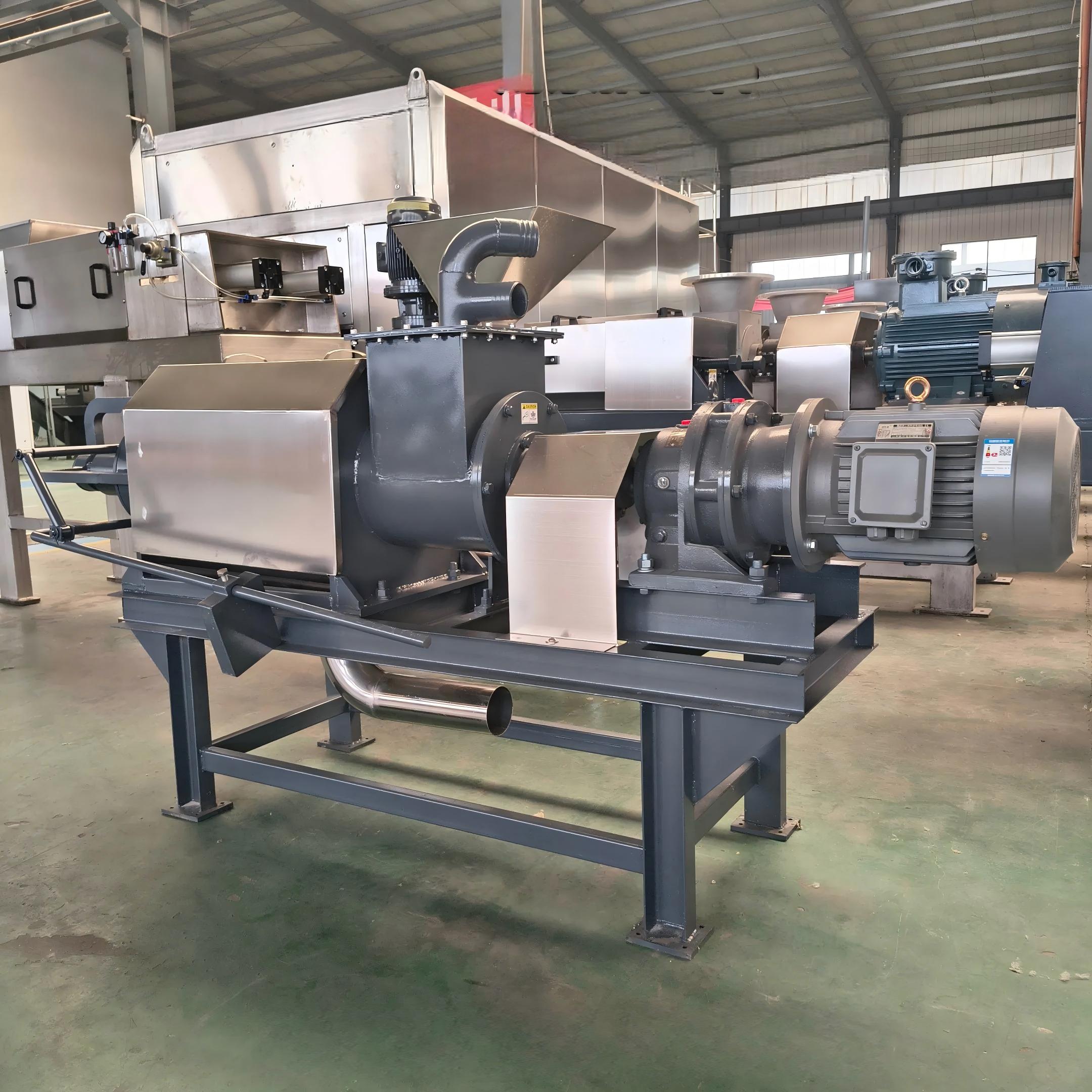 HTYZ-160HTYZ-160 is a manual-feed screw press for solid–liquid separation. Its technical sheet lists 0.5–1 m³/h and a 160 mm screw. Confirm throughput and discharge requirements for your material.
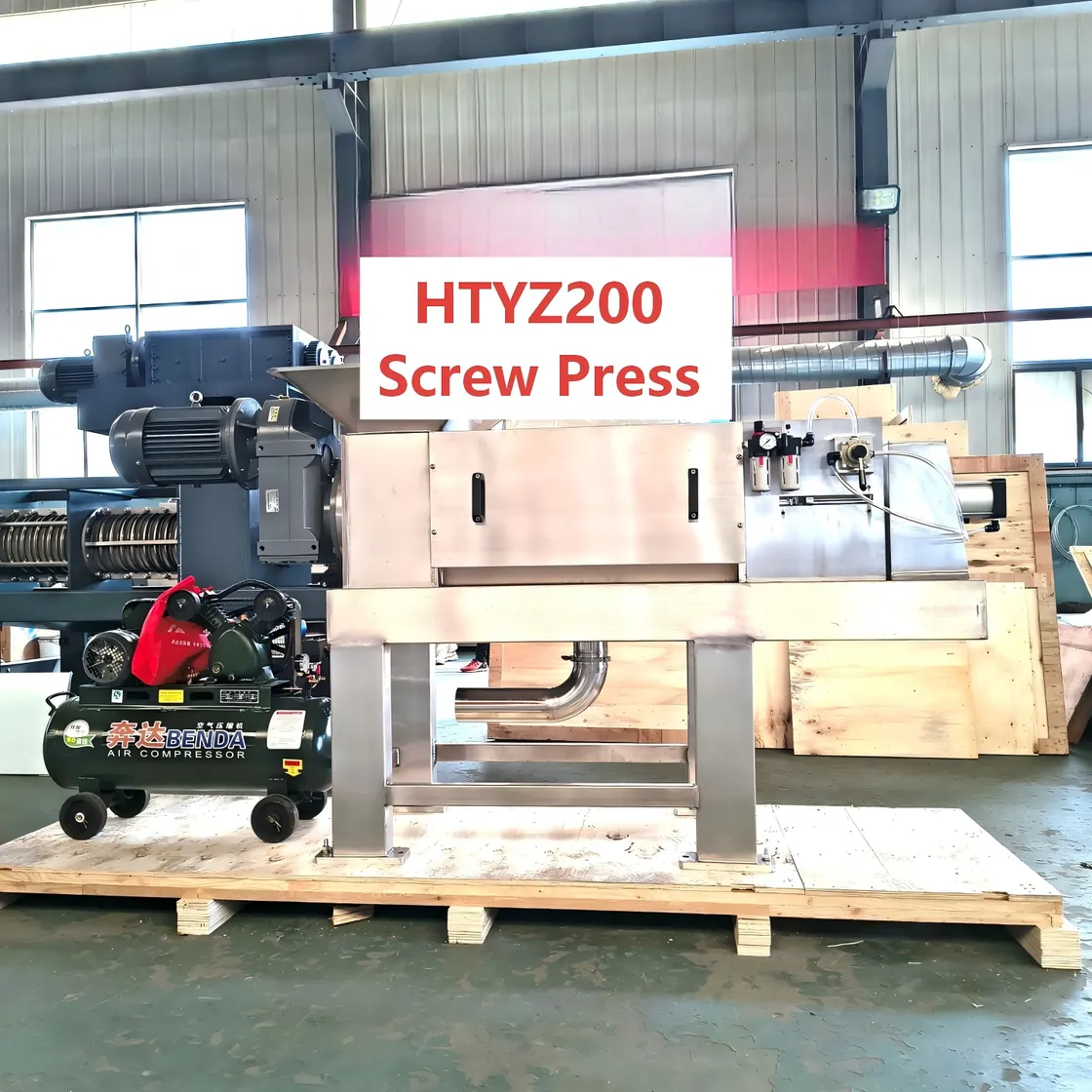 HTYZ-200HTYZ-200 is a manual-feed screw press for solid–liquid separation. Its technical sheet lists Approx. 3–4 m³/h and a 200 mm screw. Confirm throughput and discharge requirements for your material.
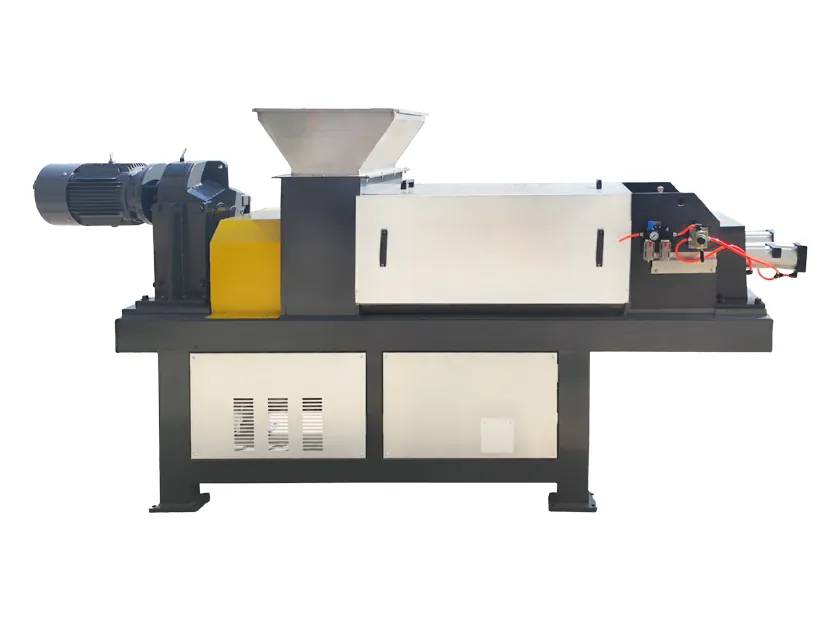 HTYZ-300HTYZ-300 is a manual-feed screw press for solid–liquid separation. Its technical sheet lists 5–7 m³/h and a 300 mm screw. Confirm throughput and discharge requirements for your material.
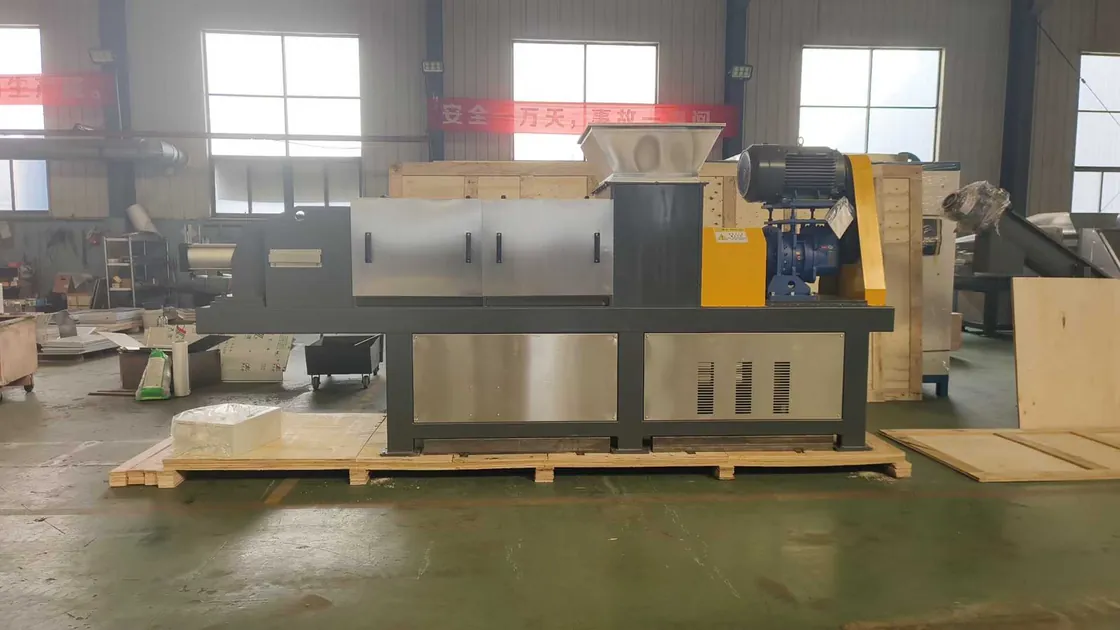 HTYZ-400HTYZ-400 is a manual-feed screw press for solid–liquid separation. Its technical sheet lists Approx. 10–15 m³/h and a 400 mm screw. Confirm throughput and discharge requirements for your material.
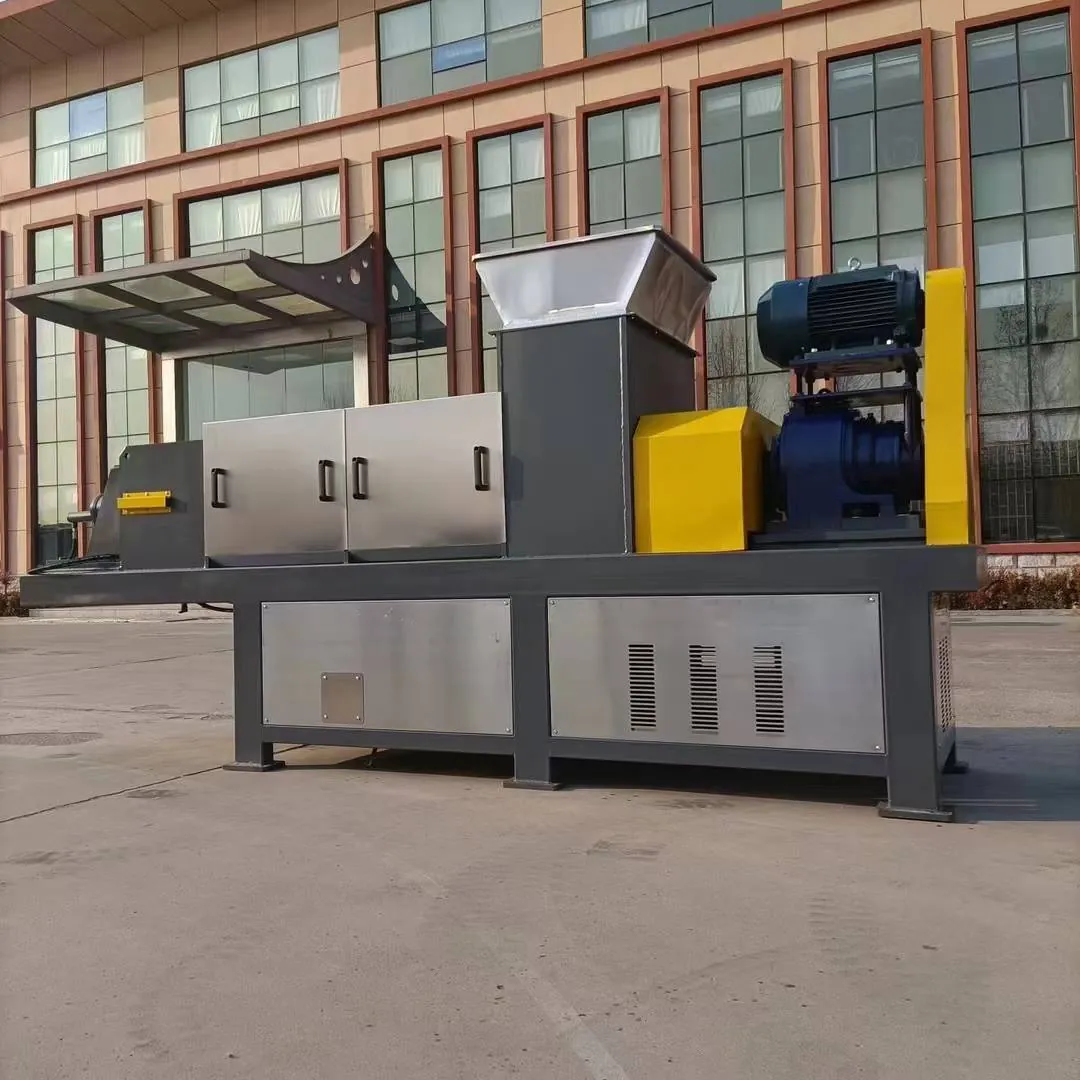 HTYZ-500HTYZ-500 is a manual-feed screw press for solid–liquid separation. Its technical sheet lists Approx. 15–20 m³/h and a 500 mm screw. Confirm throughput and discharge requirements for your material.
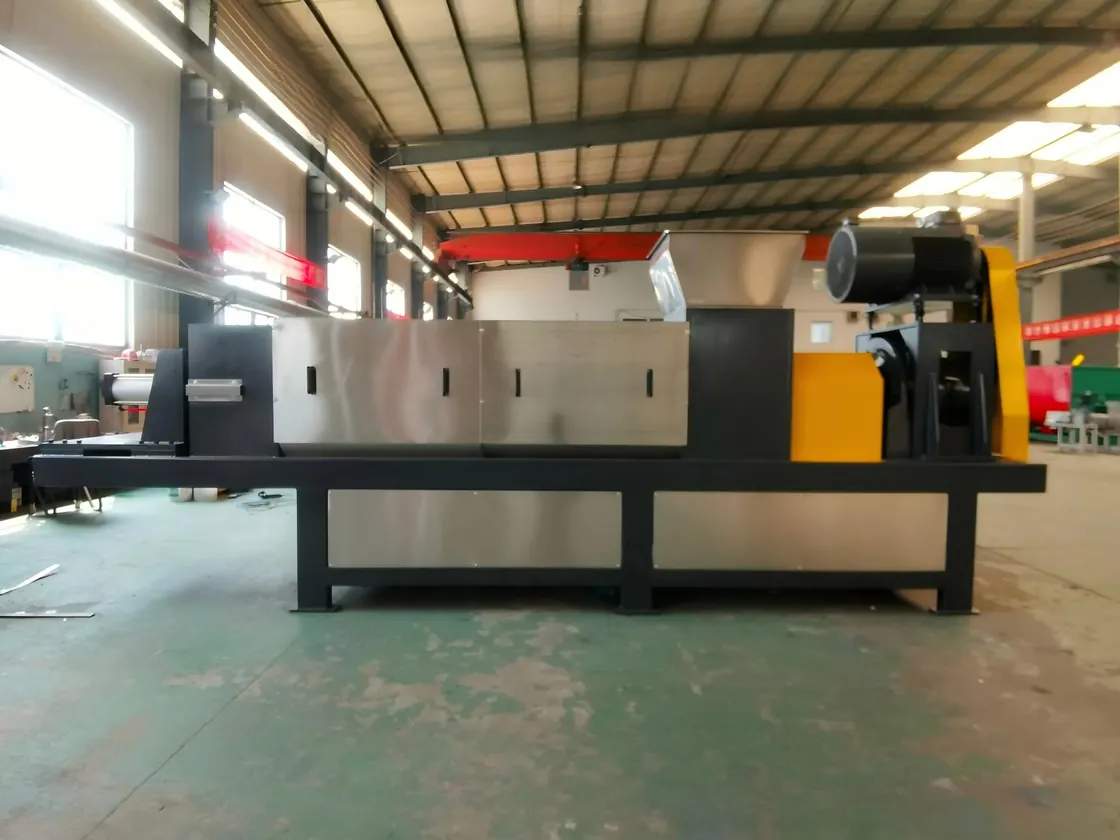 HTYZ-600HTYZ-600 is a manual-feed screw press for solid–liquid separation. Its technical sheet lists 20–30 m³/h and a 600 mm screw. Confirm throughput and discharge requirements for your material.