
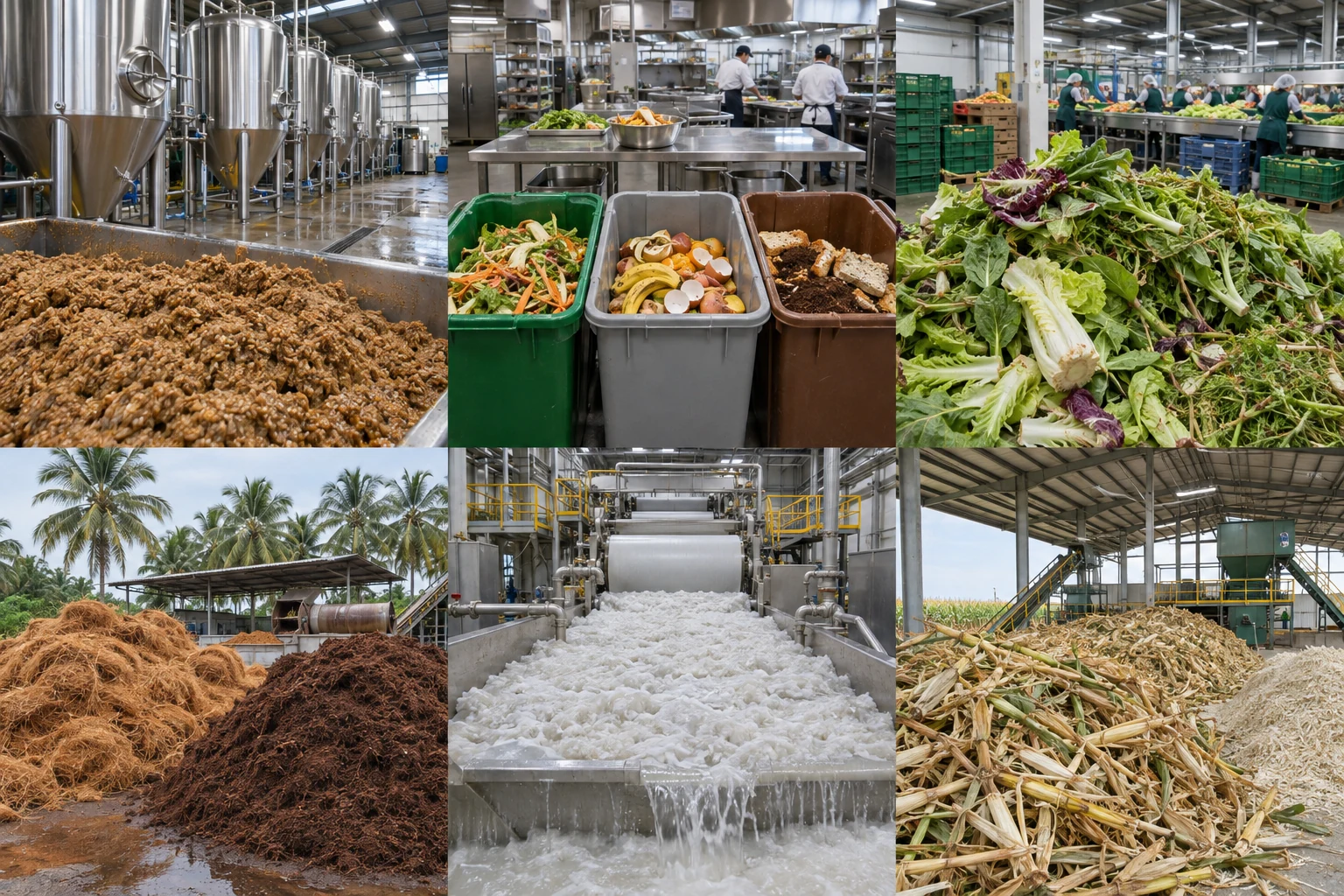
Fruit and Vegetable Residue Dewatering
Find a screw pressFind your starting point in 3 questions
From feed to separated streams
- Collect and identify the residues
Record crop type, fibre, seasonal changes and batch size.
- Prepare and test the feed
Check whether chopping is needed and evaluate a representative sample.
- Press and route both streams
Plan solids transfer and collect the separated liquid independently.
Why separate solids and liquid?
Dewatering can make suitable produce residues easier to move or prepare for the next process. Crop, particle size and fibre can change the result, so compare samples from typical batches.
Explore the HTYZ Series
Compare the available screw presses. Confirm model suitability with your actual feed and target discharge condition.
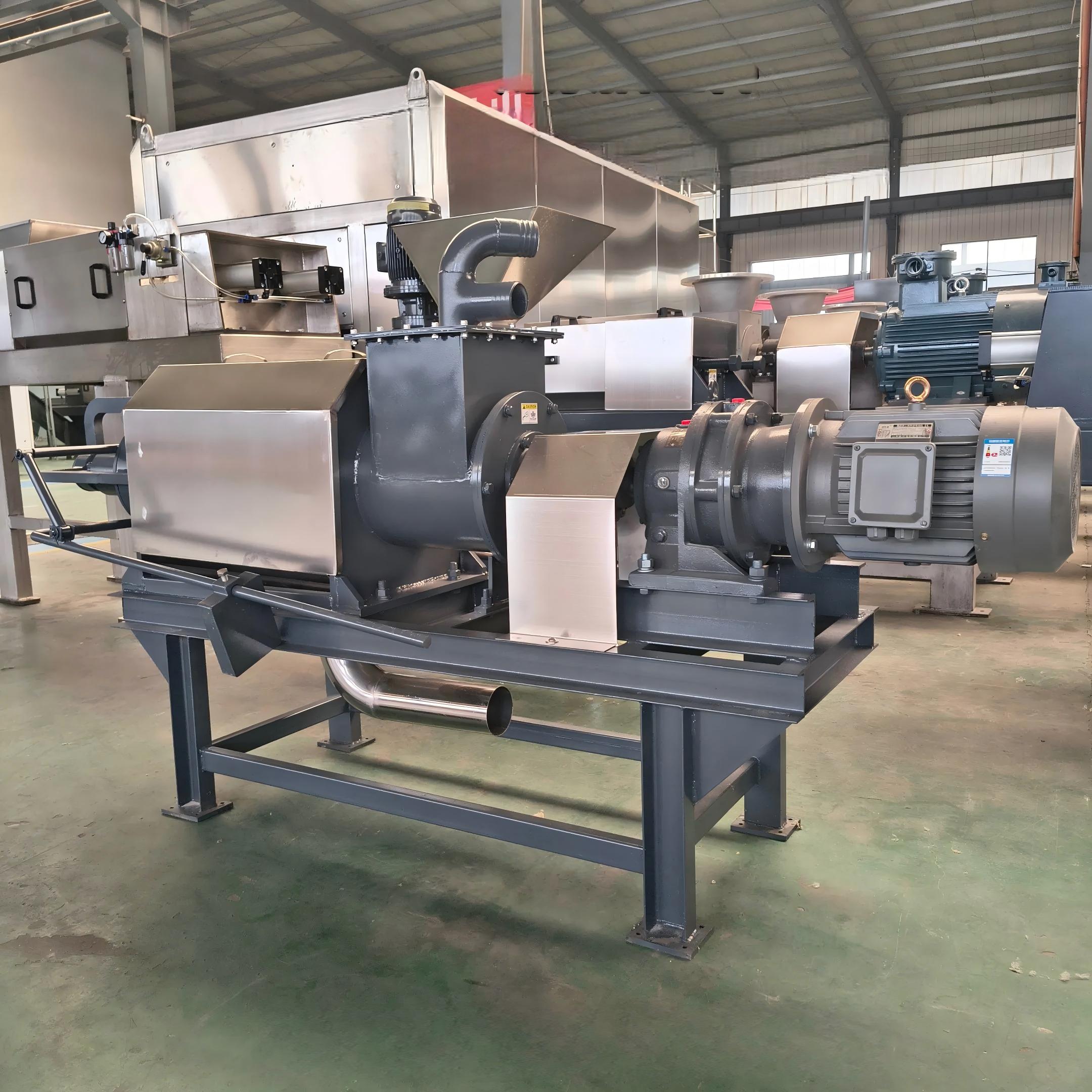 HTYZ-160HTYZ-160 is a manual-feed screw press for solid–liquid separation. Its technical sheet lists 0.5–1 m³/h and a 160 mm screw. Confirm throughput and discharge requirements for your material.
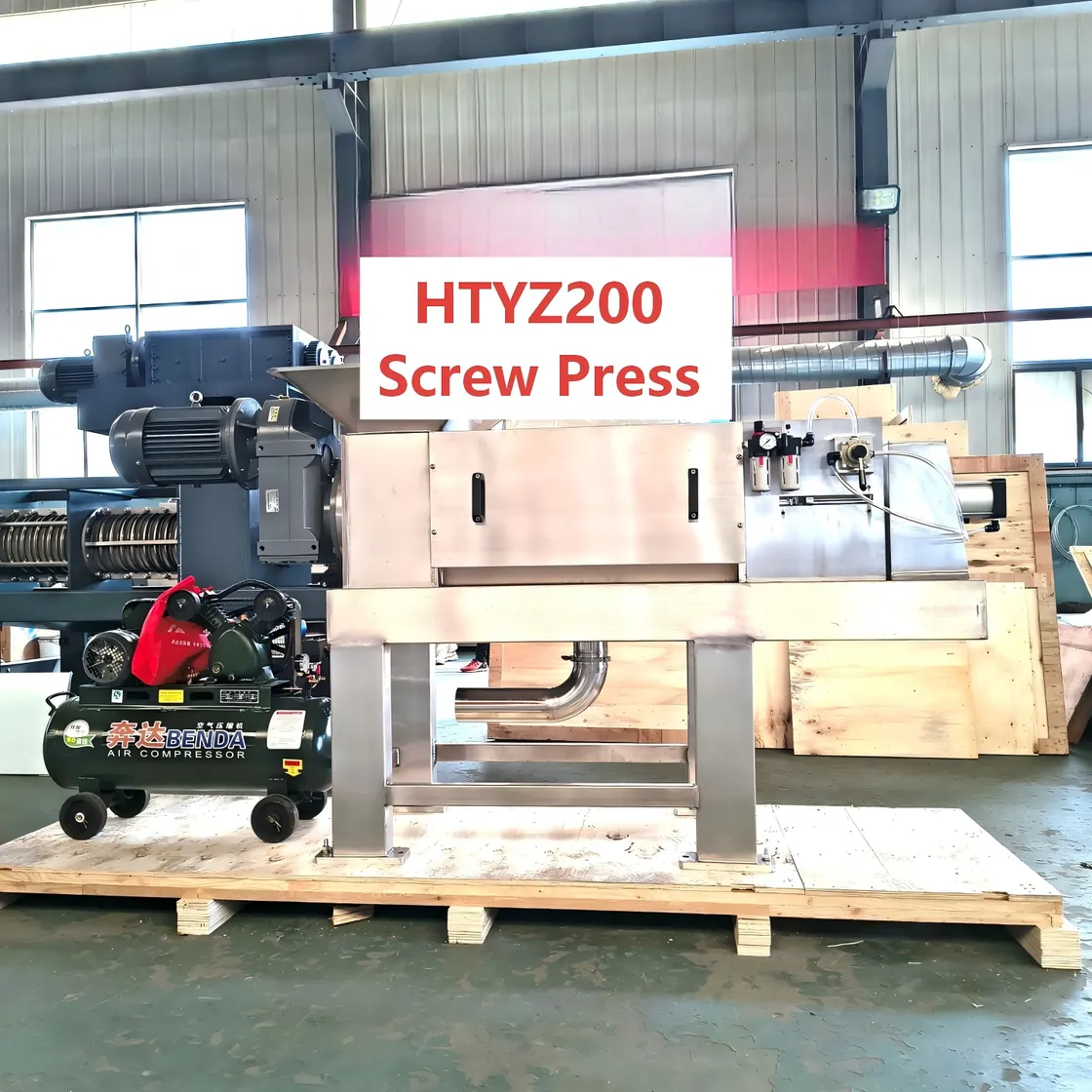 HTYZ-200HTYZ-200 is a manual-feed screw press for solid–liquid separation. Its technical sheet lists Approx. 3–4 m³/h and a 200 mm screw. Confirm throughput and discharge requirements for your material.
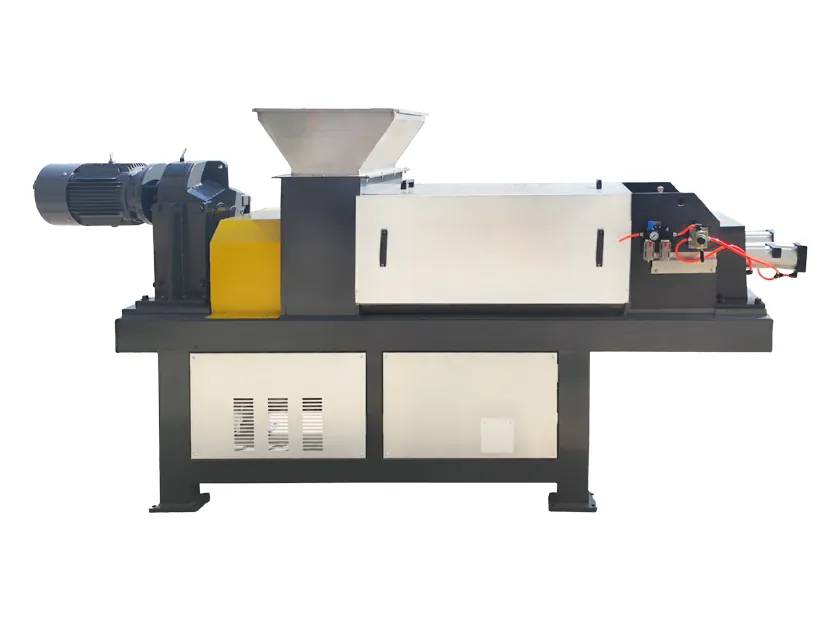 HTYZ-300HTYZ-300 is a manual-feed screw press for solid–liquid separation. Its technical sheet lists 5–7 m³/h and a 300 mm screw. Confirm throughput and discharge requirements for your material.
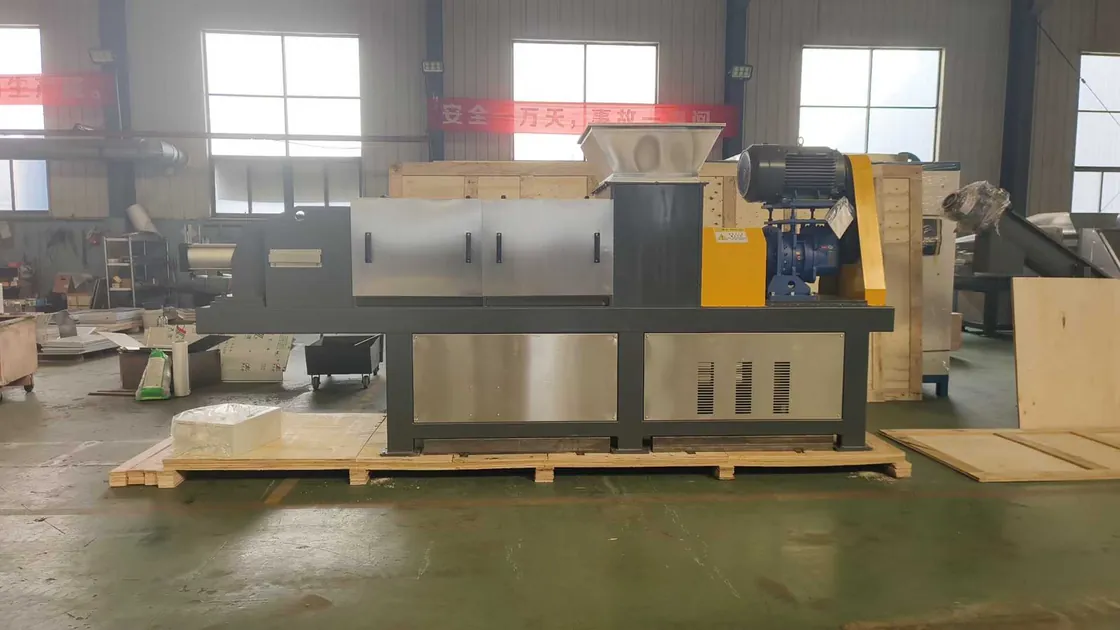 HTYZ-400HTYZ-400 is a manual-feed screw press for solid–liquid separation. Its technical sheet lists Approx. 10–15 m³/h and a 400 mm screw. Confirm throughput and discharge requirements for your material.
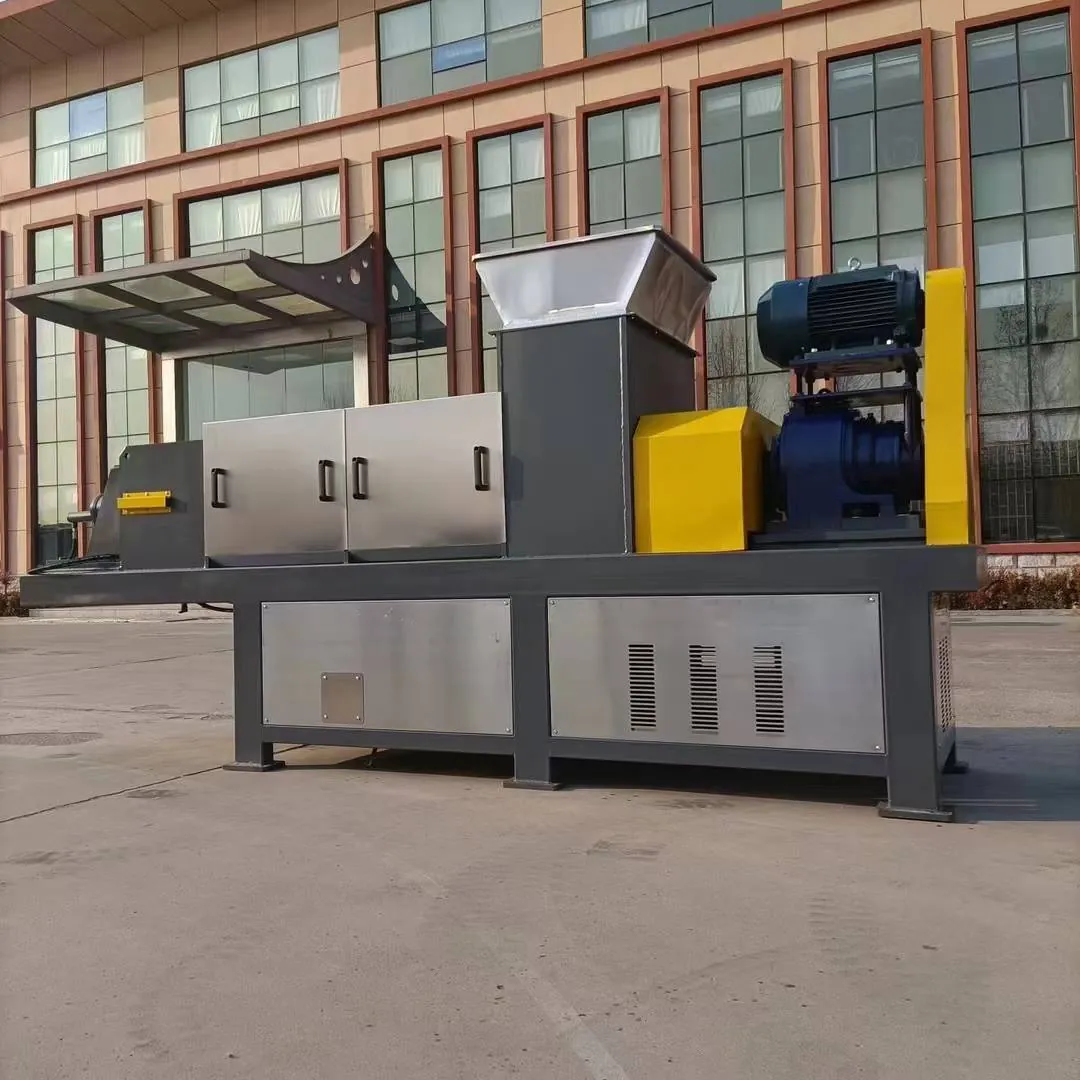 HTYZ-500HTYZ-500 is a manual-feed screw press for solid–liquid separation. Its technical sheet lists Approx. 15–20 m³/h and a 500 mm screw. Confirm throughput and discharge requirements for your material.
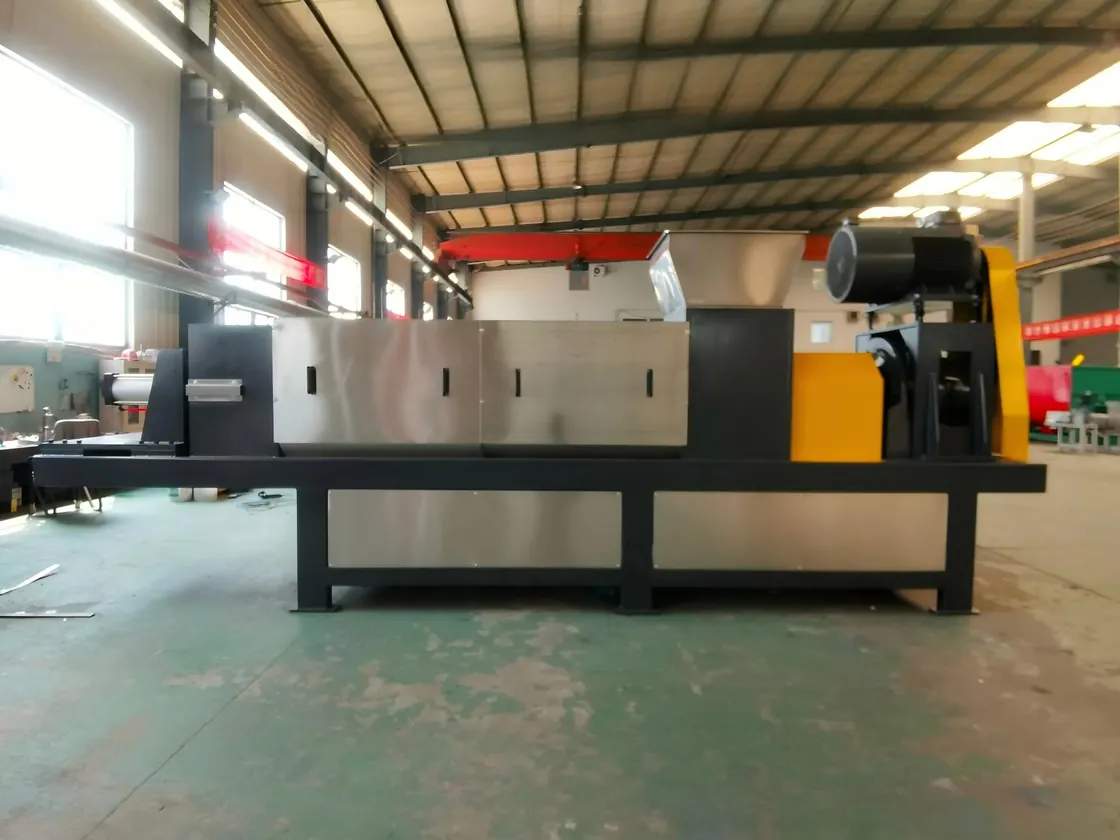 HTYZ-600HTYZ-600 is a manual-feed screw press for solid–liquid separation. Its technical sheet lists 20–30 m³/h and a 600 mm screw. Confirm throughput and discharge requirements for your material.